Breaking news
AMSTERDAM, October 7, 2026. Atlassian just announced AMP, the Agentic Multiplayer Protocol, on the keynote stage of Team '26 Europe.
Alongside it: a rebuilt Atlassian MCP server, a much richer Teamwork Graph, new ways to see and govern every agent in your company, a strategic partnership with OpenAI, and a new Forward Deployed Engineering program.
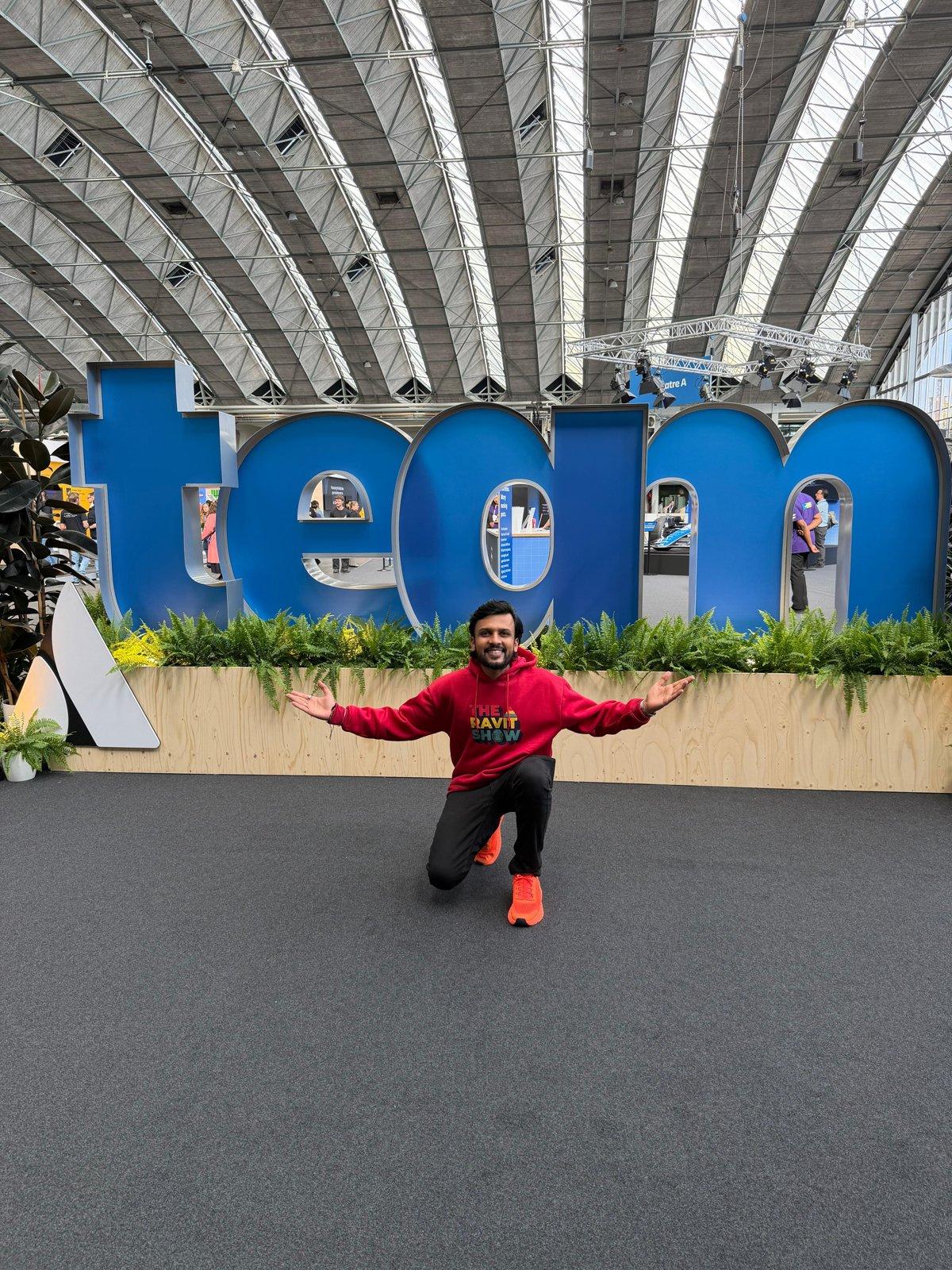
I was in the room. I asked Mike Cannon-Brookes and Tamar Yehoshua questions at the press briefing. And I spent the afternoon talking to customers and partners on the floor.
Here is everything you need to know, and what I really think.
The morning started with a confession about AI
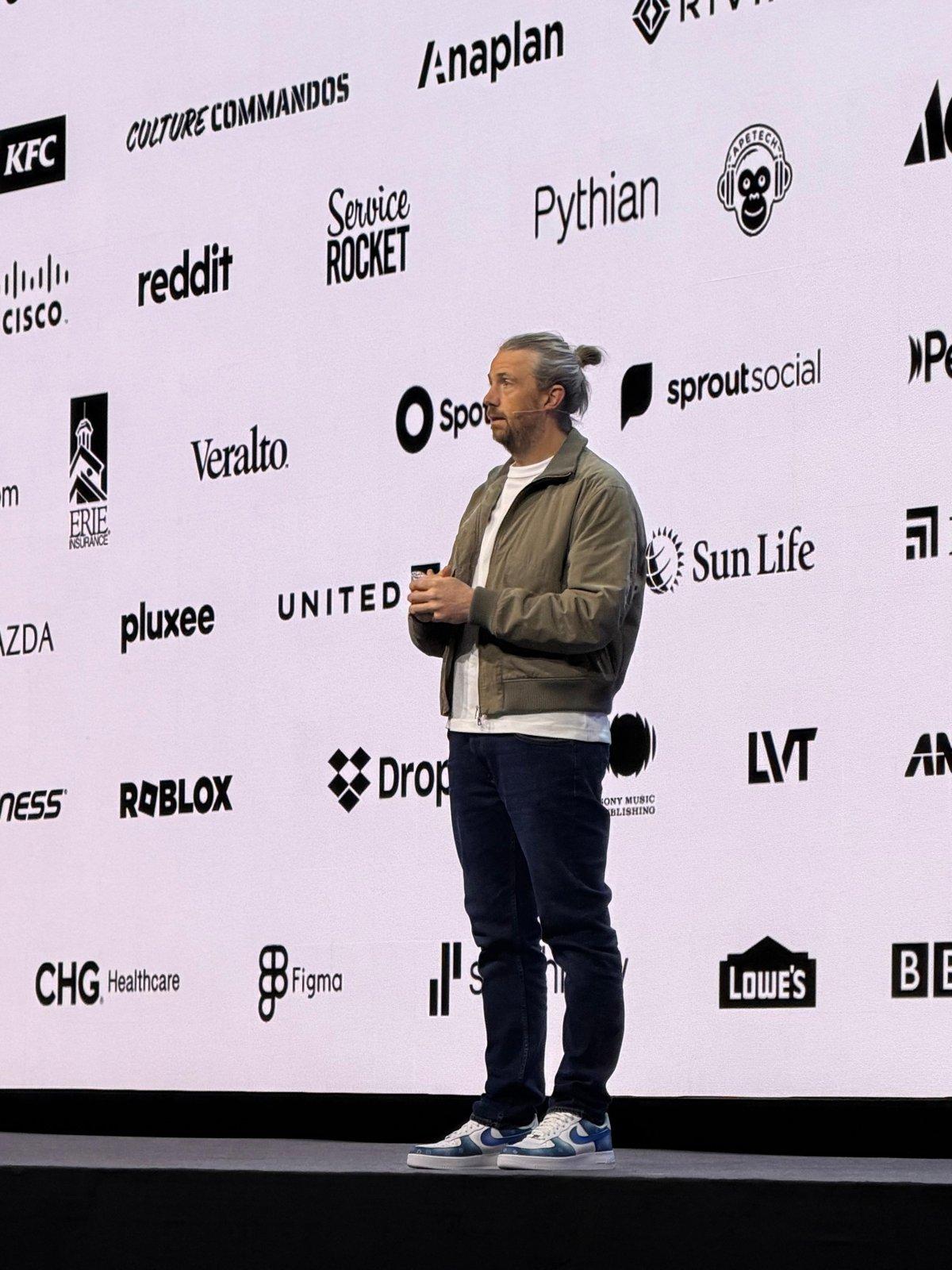
Mike walked on stage in front of a wall of customer logos. KFC, Reddit, Cisco, Spotify, United, Roblox, Figma, Lowe's and dozens more. Then he said something most vendors avoid saying out loud. AI at work, for most companies, is still a solo sport.
He wrote about it in his founder post, The End of Single-Player AI. One person types into a chat window. That person gets faster. The team, the project, the company? Mostly the same.
I nodded along because I have seen this in almost every conversation I have had this year. A CIO tells me their people love AI. Then I ask how it changed their delivery dates. Long pause.
Atlassian has the data too. Their new report, Leading with Context, found 85% of knowledge workers use AI while only 6% of executives can point to clear, organization-wide ROI. Their State of Teams research with 12,000+ knowledge workers calls this the AI efficiency paradox.
The fix Mike proposed is simple to say and hard to build. Make AI multiplayer. Put agents inside the team, in the open, working on the same tools and the same goals as everyone else.
That is AMP.
So what exactly is AMP?
Think of AMP as the rulebook for a team where some members are people and some are agents.
The press release describes it as the foundational rules of engagement for human-AI collaboration. In plain English, it answers 3 questions every manager has about a new teammate.
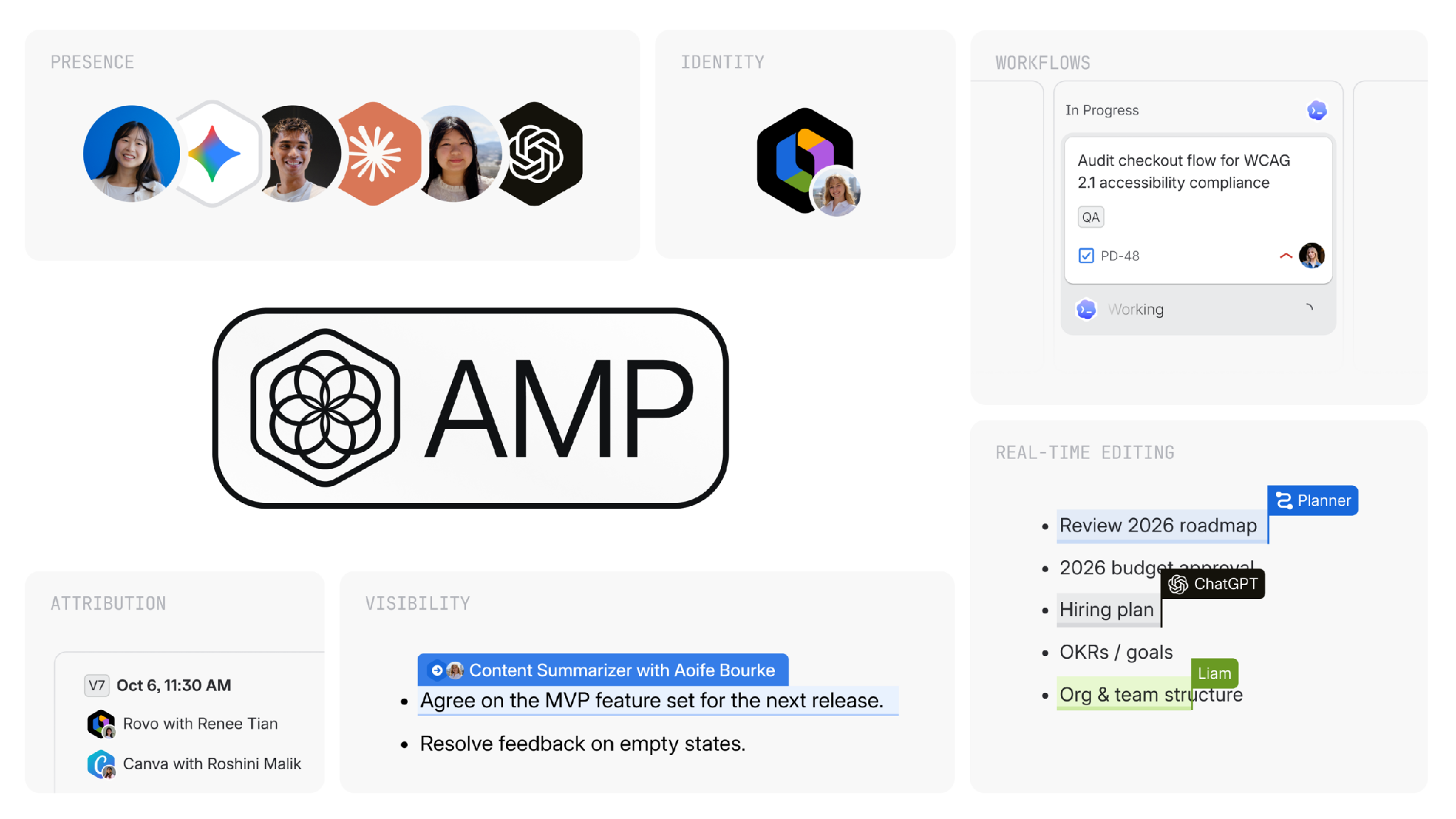
Where do they work? Right where you do. You can @mention an agent in a Confluence doc, argue about an approach in a Jira comment thread, or record a quick Loom to brief it. MCP pulls in context from tools like Figma and your IDE, so agents can work beyond Atlassian too.
Who are they? Every agent gets an owner, a profile and real-time attribution. On a whiteboard or a doc, you see the agent's cursor moving next to your colleagues. When a developer runs an agent on their laptop, that session shows up on the Jira board for the whole team.
The demo that sold me was a Confluence page's version history. Edits from Rovo, Claude, Canva and Figma sit right next to edits from humans, each tied to the person who ran the agent. If something looks off, you know exactly who and what to ask.
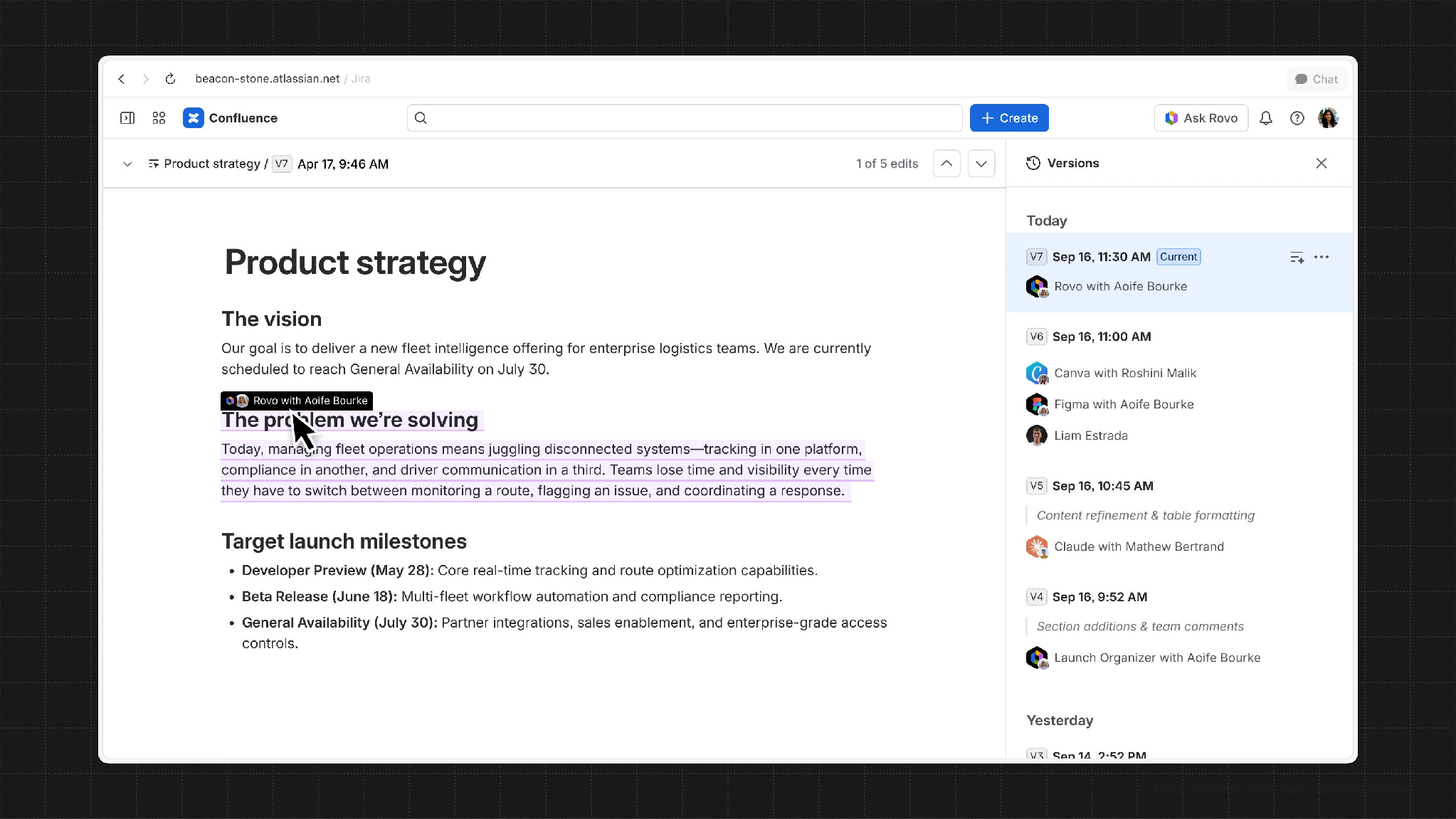
What are they allowed to do? Agents are grounded in the Teamwork Graph and respect permissions. Mike gave a nice example. An HR agent inherits the strict access of the person prompting it. A helpdesk agent runs on its own service account. Either way, you get a full audit of who triggered it, what it touched, and where a human signed off.
What I appreciated most was Mike's point that AMP goes beyond technology. It is also a set of design patterns. Mixed teams of people and agents need an experience that feels natural, and Atlassian is designing for that on purpose.
AMP starts rolling out today at atlassian.com/amp.
The platform underneath
Jamil Valliani, Head of Product for AI, laid out the full picture in The Atlassian platform is for multiplayer human-agent work.
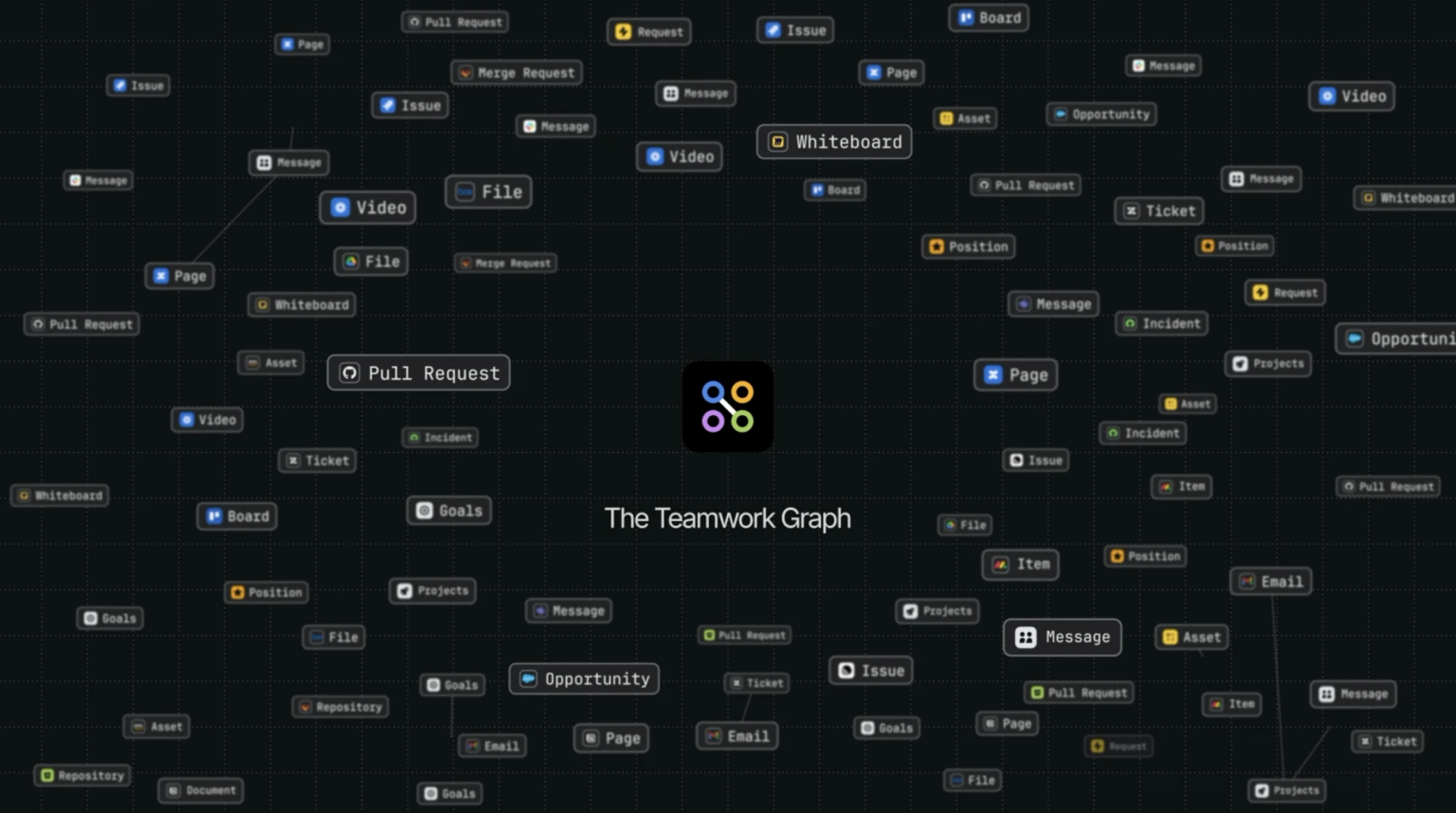
At the center sits the Teamwork Graph, now mapping 250B+ connections. Around it sit the Teamwork, Software, Service, Product and Strategy Collections, the agents, Rovo, Forge and a big ring of third-party tools.
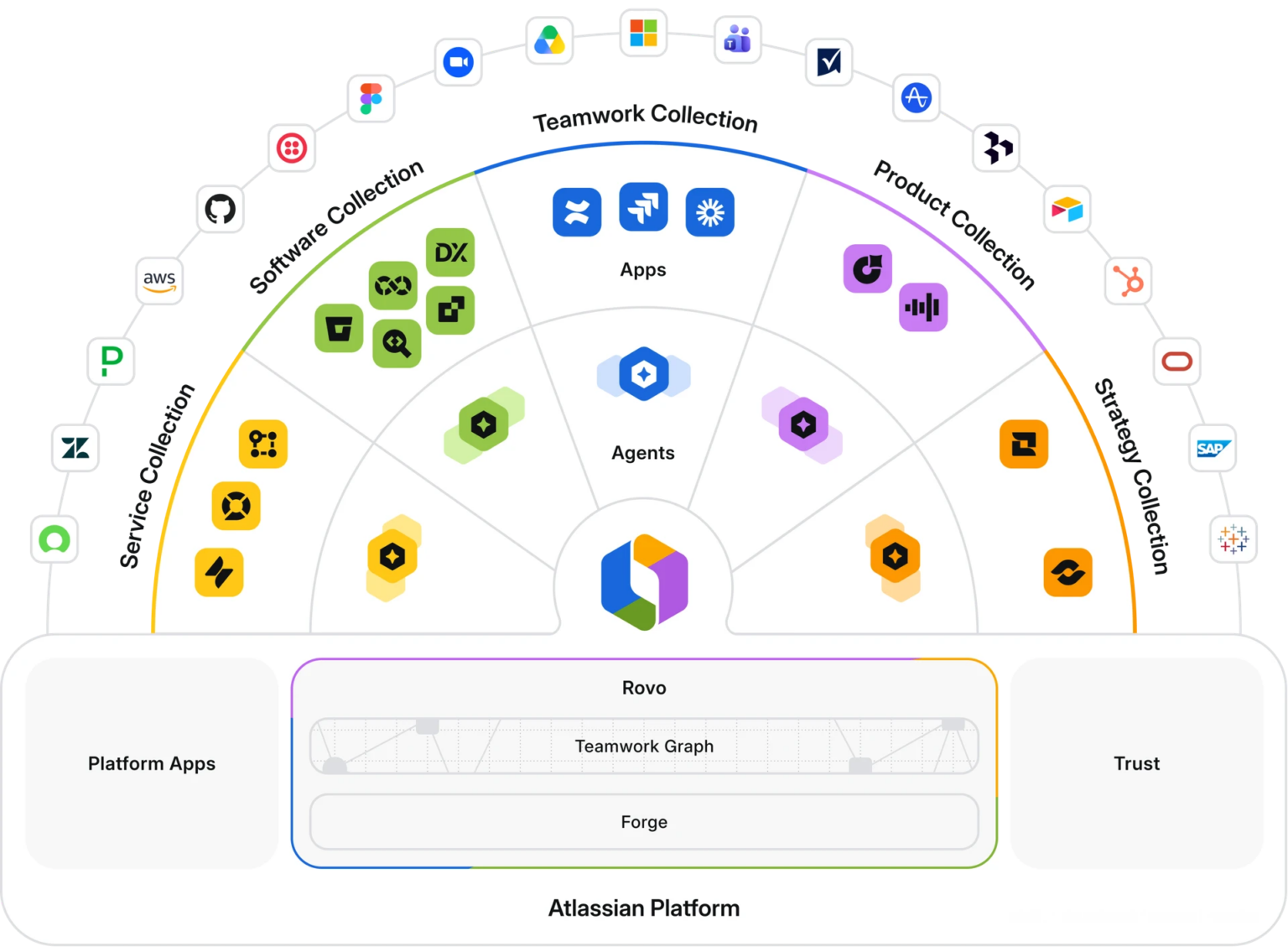
One line from that blog stuck with me. Models are intelligence you can rent. What they do not have is the wisdom of how your business actually works.
That is the whole bet. Atlassian is betting the context layer becomes the most valuable layer in enterprise AI. Given that 85% of the Fortune 500 already run their work here, it is a strong place to start.
Context was the word of the day
When Tamar joined Mike on stage, one word filled the screen behind them. Context.
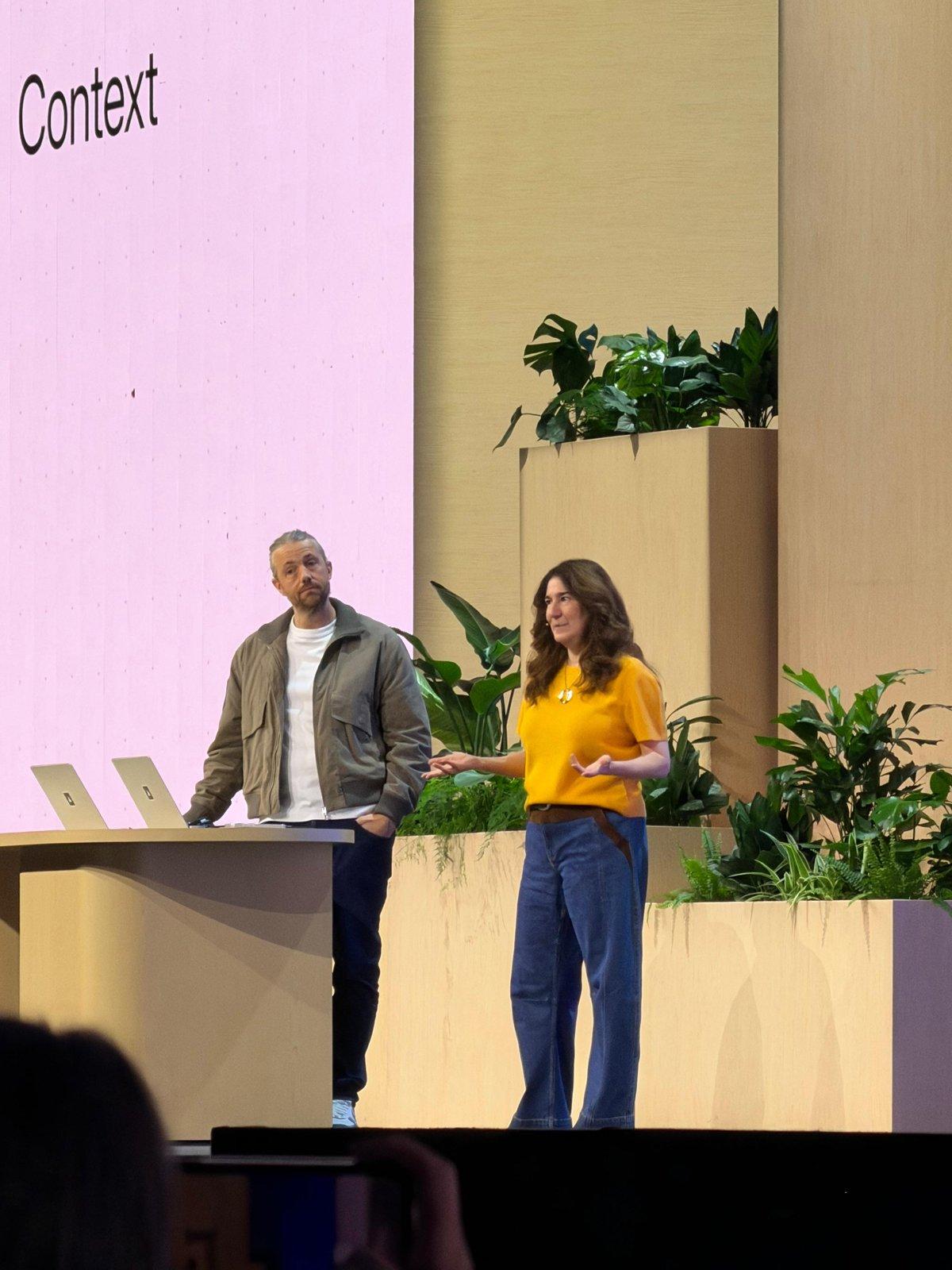
And Atlassian came with numbers. In their testing, grounding agents in the Teamwork Graph produced answers that were 44% higher quality while using 48% fewer tokens. Here is what got richer this week.
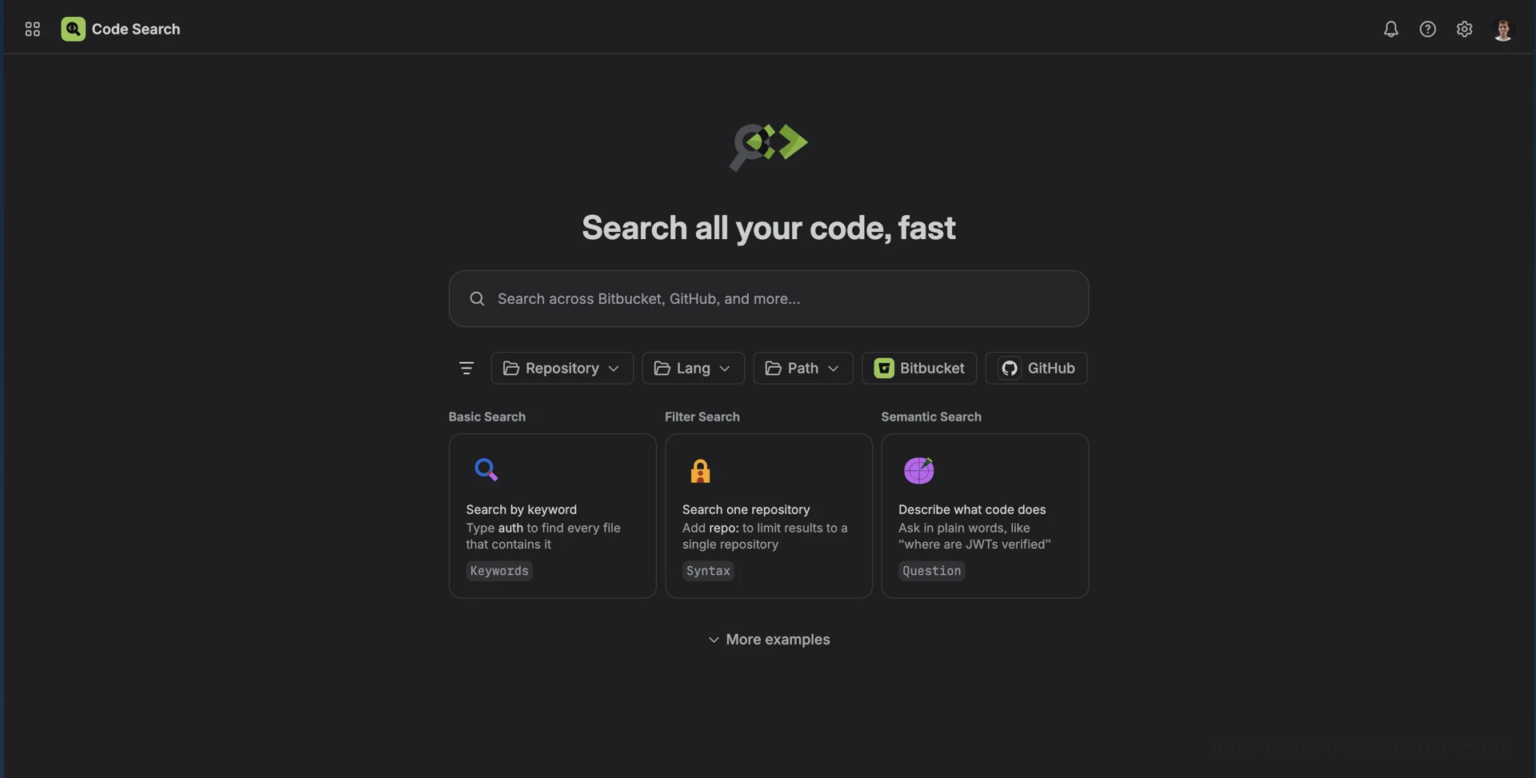
Rovo Code Search. The graph now reads source code down to the function, symbol and class. You can search across Bitbucket and GitHub in plain language, like asking where JWTs get verified, without cloning a repo. Coding agents get the same context and spend fewer tokens finding their way around.
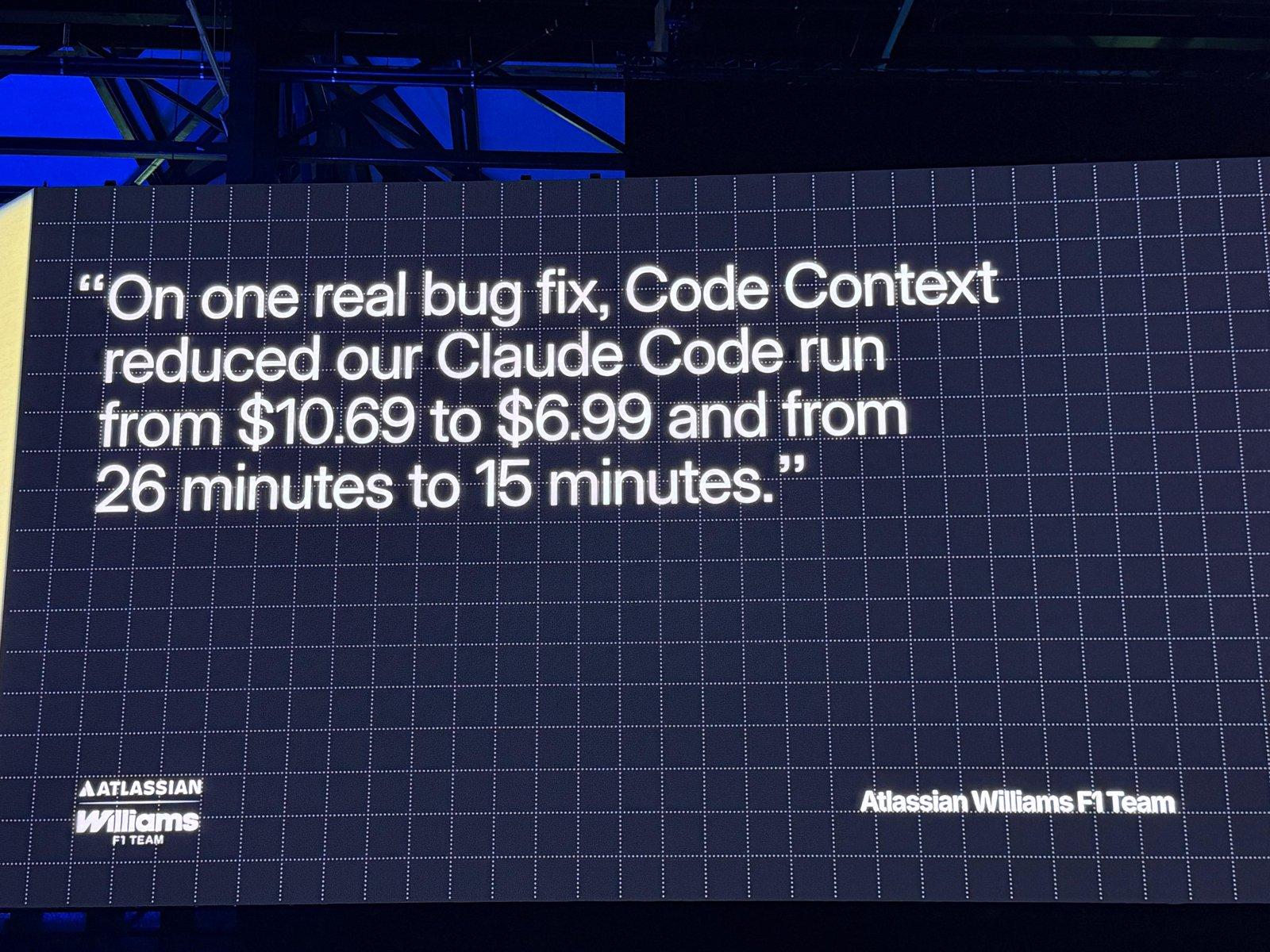
The best real-world proof came from the Atlassian Williams F1 Team. On 1 real bug fix, Code Context cut their Claude Code run from $10.69 to $6.99 and from 26 minutes to 15 minutes. That is roughly 35% cheaper and 42% faster on a single task. In F1, they understand what shaving time means better than anyone.
Atlassian Insights. Structured data is now a native context type. You can ask questions of your lakes and warehouses from wherever you work. It curates 20+ structured sources with catalog, glossary and lineage. Coming from the data community, I think this is the sleeper hit of the week. Data teams have wanted business context and data context in the same place for a long time.
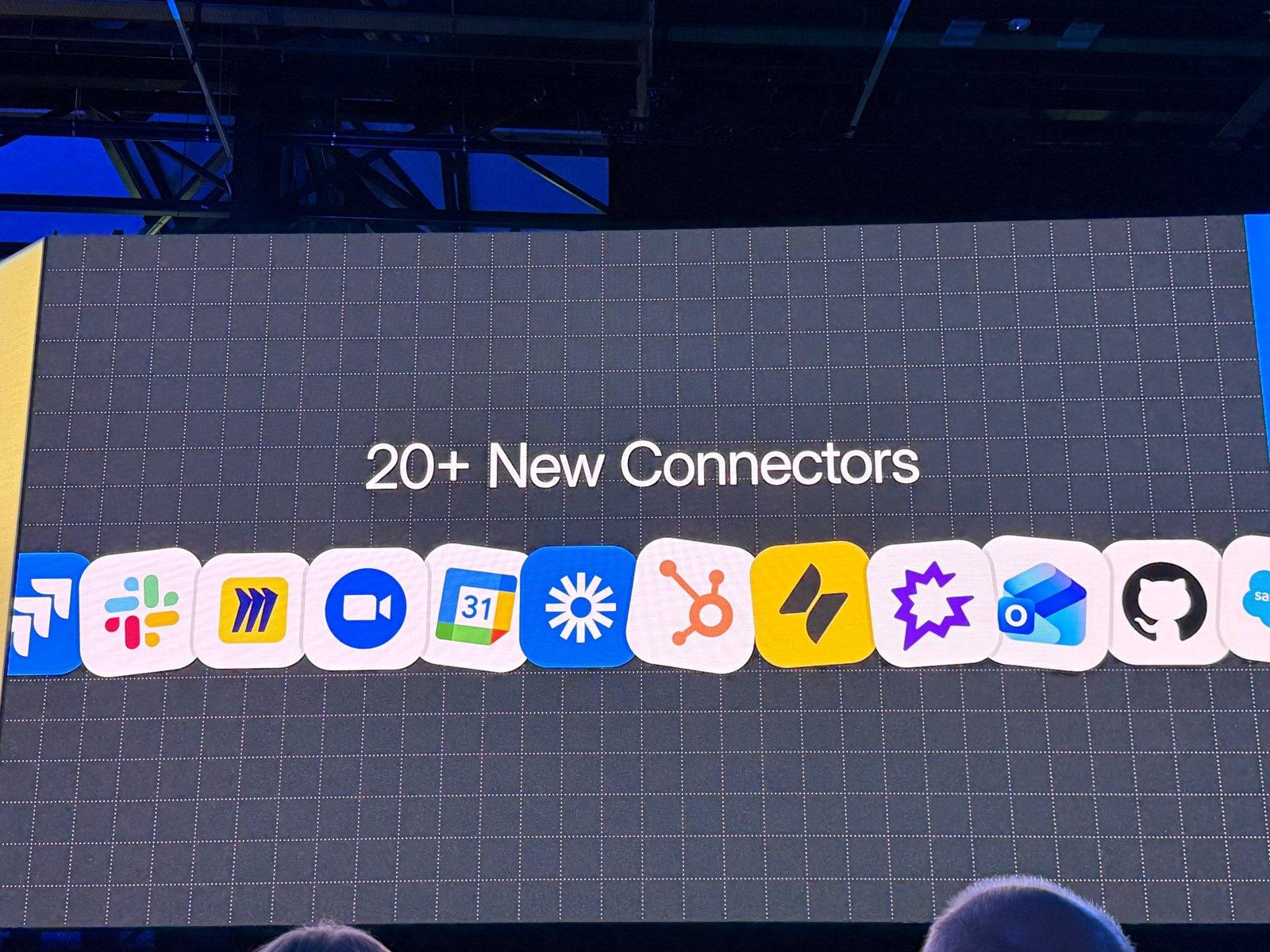
Connectors. 20+ new connectors hit the screen during the keynote, including Zoom, Gong, Microsoft Entra ID and Google Identity, plus 65+ improvements to the existing library of 80+.
Artifacts. Anything an AI creates now gets a permanent, governed home with a URL you can embed in Confluence, Jira or Slack, indexed straight back into the graph.
The MCP story is huge
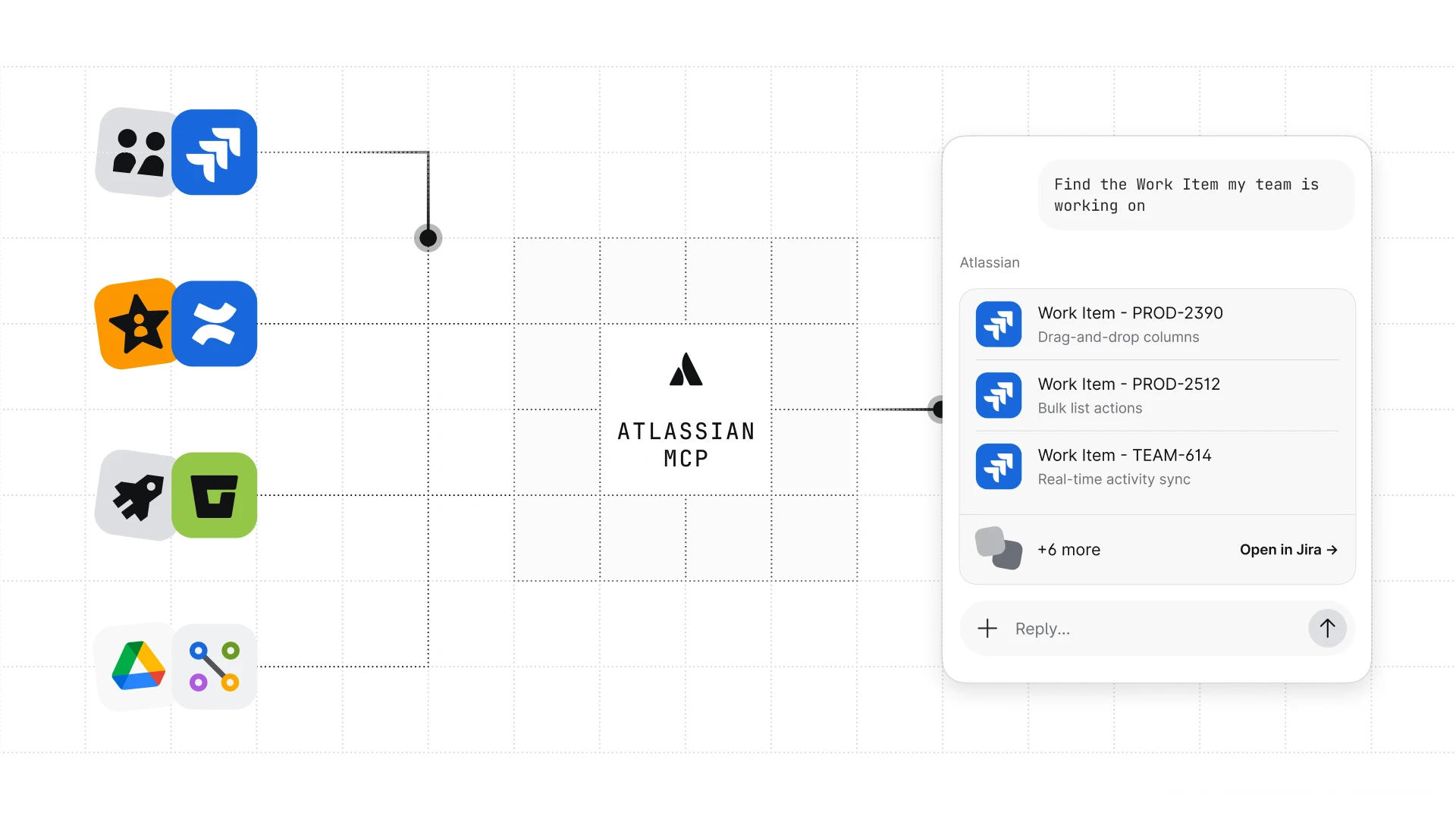
If you want proof that agents are already doing real work, look at the MCP numbers.
According to Alan Braun's MCP announcement, Atlassian MCP now has nearly 2M monthly active users and handles 15M+ tool calls a day. That is 15x growth in 6 months.
The new version was rebuilt from scratch:
- • 220+ tools across Jira, Confluence, Loom, Bitbucket, Goals, Code Search, and soon Jira Service Management
- • Up to 25% fewer tokens for the same Jira and Confluence work, in internal benchmarks on Claude models
- • Conflict-safe edits that pause if a teammate changes the page while the agent works
- • OAuth 2.1 with PKCE, permission-aware requests, and read, write and destructive actions in separate risk tiers
- • Developers can now build custom MCP tools with Forge and expose custom Rovo agents through MCP
Anthropic's Scott White called it one of the most-used enterprise MCP integrations on Claude. Kaplan's Jose Ramirez shared that their agents summarize a month of work across 5 platforms in 10 seconds.
Finally, you can see your agents
Here is the problem nobody likes to admit. As AI adoption grows, more work happens where leaders cannot see it. Terminals. Local sessions. Random bots someone set up on a Friday.
Atlassian is tackling this head on.
Agent Sessions in Jira link local and cloud agent runs to the right work items automatically.
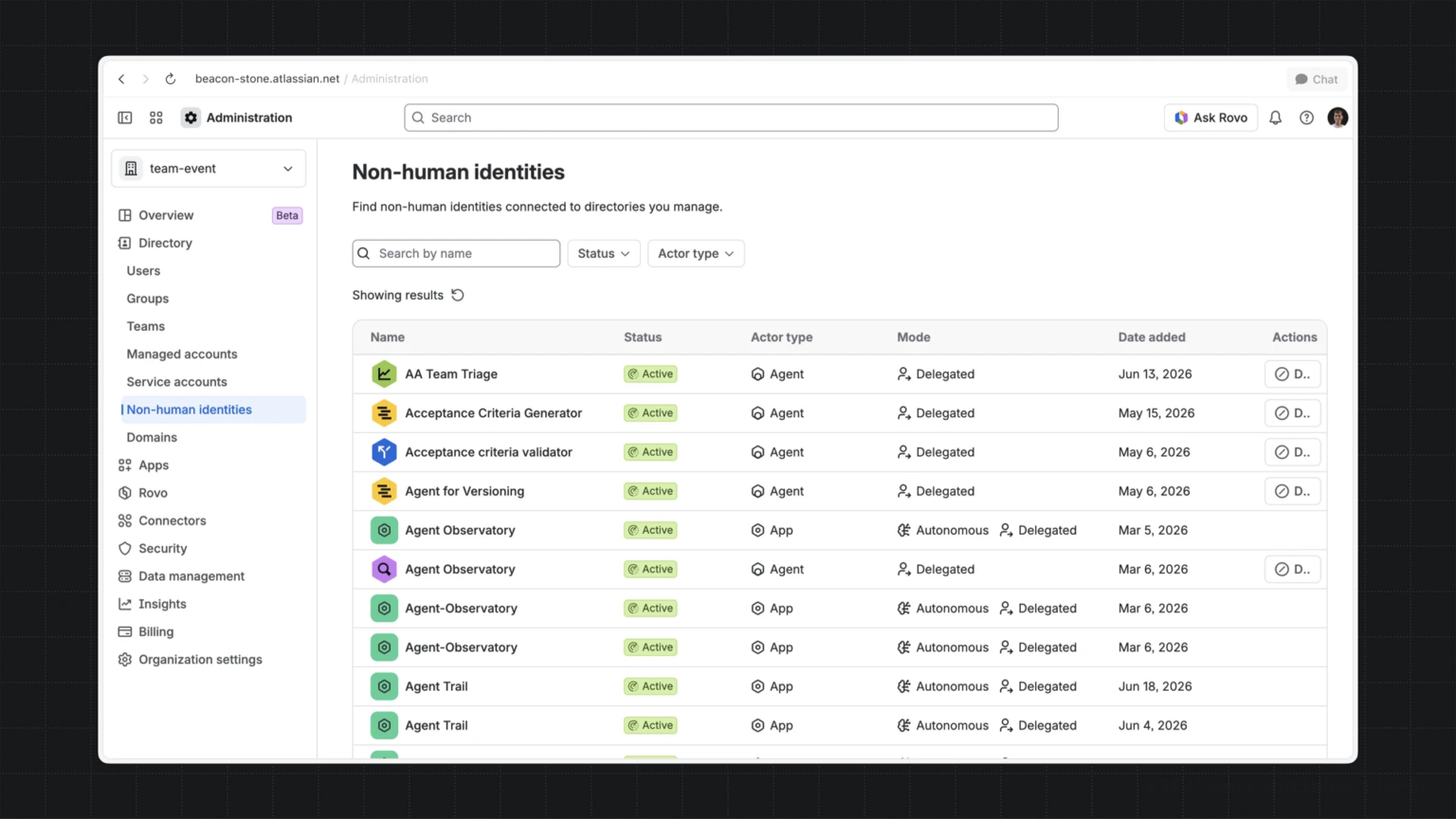
Non-human identities give every agent, app and service account its own identity, from Atlassian or anyone else. Admins see who owns each one and what it can reach, and can switch access off in one click.
Agentic updates in Focus give leaders live summaries of progress and risk across projects.
For European customers, local EU AI inference keeps LLM processing on EU-hosted models, and Rovo now aligns to the EU AI Act and ISO 42001. Being here in Amsterdam, I heard a lot of relief about that one.
New ways to actually work with agents
This is the fun part.
Rovo Work is a new mode in Rovo Chat for long, multi-step work. You set the goal. It proposes a plan. You edit it. Then it runs across Jira, Confluence and connected tools, sometimes for hours, inside a sandbox your admins govern.
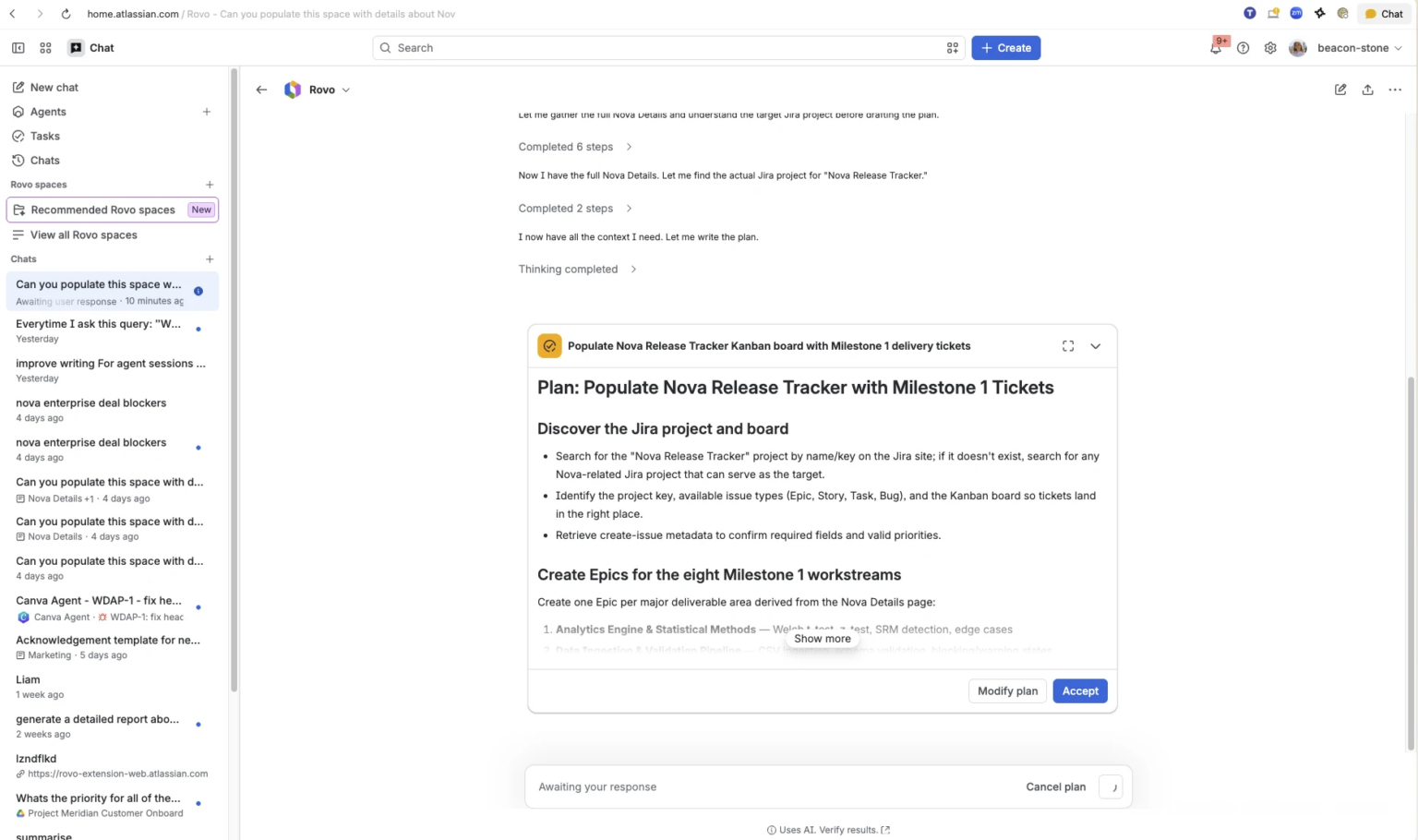
Record for Agent turns a quick Loom, your screen plus your voice, into a structured brief with acceptance criteria. The agent turns that into Jira work items, a prototype or a Confluence spec. Sherif Mansour, Atlassian's Head of AI, showed this on stage and it got one of the biggest reactions of the morning.
Interactive PR Reviews have agents record a Loom walkthrough of their own code changes in Bitbucket. Reviewers hear the reasoning and the tradeoffs before they approve.
Third-party agent triggers let events in other systems, like a status change in Salesforce, start agent workflows in Jira and Confluence, with human checks where you need them. More details sit in the Teamwork Collection update.
Atlassian and OpenAI
The partnership with OpenAI, announced by Don Baron, Head of Product Partnerships, is worth its own read: Grounding Frontier Intelligence in Enterprise Context.
The short version:
- • OpenAI frontier models power reasoning across Rovo and the Atlassian platform
- • Teams can connect ChatGPT and Codex to the Teamwork Graph through the Atlassian plugin and MCP
- • DX shows engineering leaders how tools like Codex affect cycle time and team health
- • 3,000+ Atlassian developers already use Codex through ChatGPT Enterprise
- • Next up: agents that pick up work items, run tests and sync session history back to team boards
Put this next to the Claude Code result from Williams and the Claude MCP numbers above, and the strategy is clear. Atlassian is staying model-neutral and positioning itself as the place where any model meets your team's context.
Forward Deployed Engineers: the human half of the story
The last announcement might be the one that matters most for getting all of this into production.
Atlassian launched a Forward Deployed Engineering program. Senior applied AI engineers embed directly in customer environments to ship production-ready AI. They enrich the context in the Teamwork Graph, build custom Rovo agents and automations, and streamline workflows across technical and business teams.
Avani Prabhakar, Atlassian's Chief People and AI Enablement Officer, framed it well. The value in AI has moved from access to models to how well AI understands your business context. Accounts working with Forward Deployed Engineers are seeing 50% higher AI adoption.
Here is how the program works:
- • Engagements typically run 12 weeks
- • Customers put their own engineers alongside Atlassian's, so the know-how stays in-house
- • Services cover custom agents for IT helpdesk, HR and reporting, search and connector-led discovery, Jira automation like bug triage and backlog cleanup, Confluence content operations, and enterprise rollout
- • Because FDEs work in Atlassian's own codebase, fixes, reusable agents and connectors flow back into the platform for every customer
The early results are concrete. Expedia archived 600,000 Confluence pages, saves about 3,200 hours a year, and its engineering teams now run 10,000+ agent invocations a month across 50 live projects. Reddit is working with Atlassian's FDEs on its enterprise AI transformation, using Rovo and the Teamwork Graph across enterprise apps and IT operations.
Atlassian also published the Forward Deployed Engineering Playbook with lessons from the program.
My honest view: this is the right move. The gap between 85% AI usage and 6% clear ROI never closes with software alone. It closes when someone sits inside your workflows and builds with you. AMP gives agents the rules. FDEs give customers the hands.
What Tamar told me
I got to sit down with Tamar Yehoshua, Atlassian's Chief Product and AI Officer, right after the keynote.
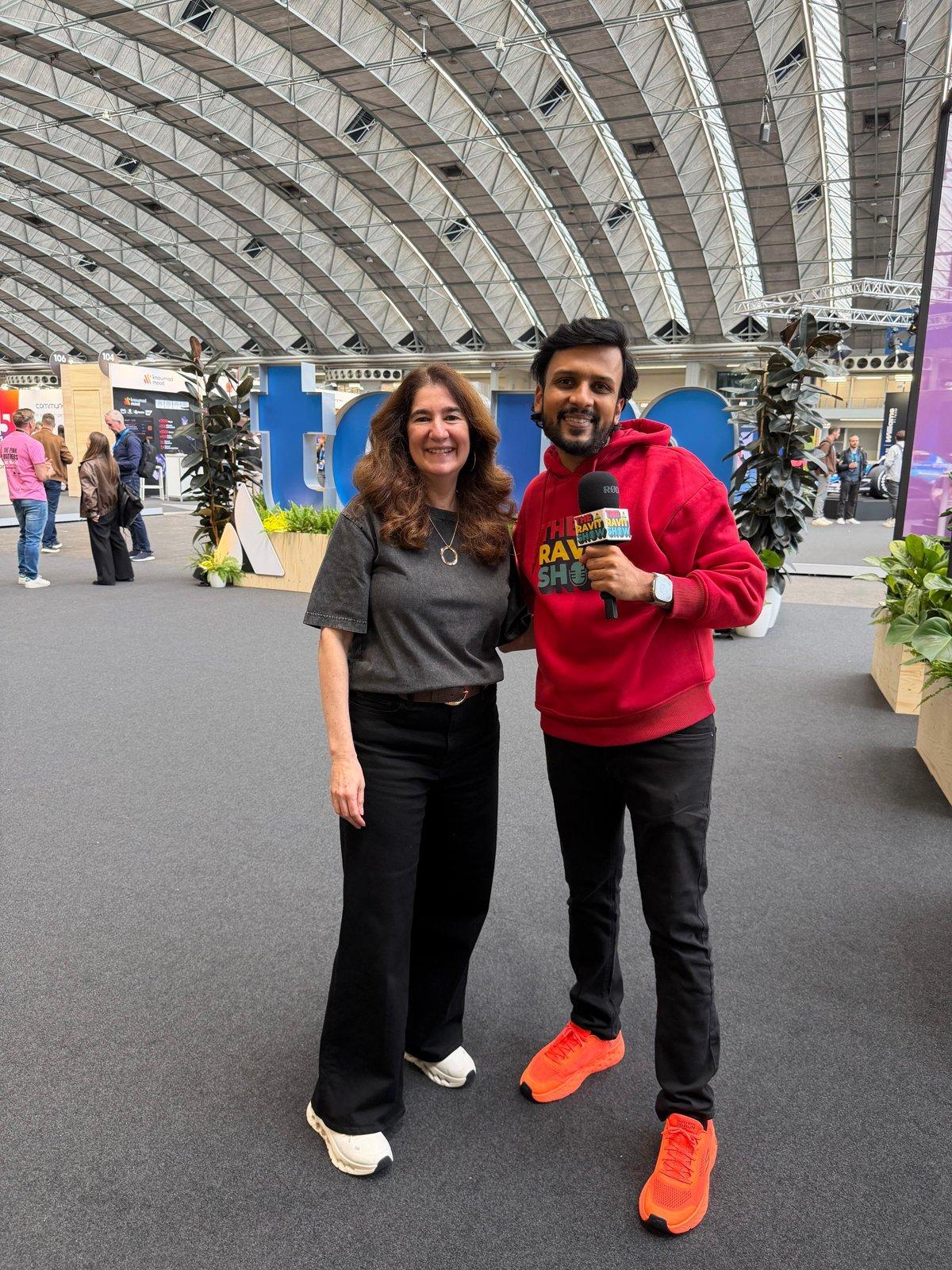
What came through in our conversation was how deliberately this was designed. It would have been easy to bolt chat onto every product. Instead, the team asked a harder question: what does a good teammate look like when that teammate is an agent?
The answers show up in small places. A cursor on the page. A name and an owner in the version history. A Loom explaining a pull request. Each one builds a little more trust.
The full interview drops soon on The Ravit Show.
My take: why this is a game changer
I have done 750+ interviews with founders, CEOs, CIOs, CTOs and CDOs. The last 18 months of those conversations all circle the same 3 worries about agents.
- 1. What is it doing?
- 2. Who is responsible for it?
- 3. What data can it see?
AMP answers all 3 by default. Identity and ownership. Visibility in Jira and on the page. Permissions and audit grounded in the Teamwork Graph.
Here is what I think will change:
Agents move from pilots to production. Security teams have been the brake on agent rollouts. When every agent comes with an owner, scoped access and an audit trail, that conversation gets a lot shorter.
Managers get their visibility back. Agent work stops hiding in terminals. It shows up next to human work, where it can be reviewed and improved.
Context becomes the moat, and it pays for itself. 44% better answers with 48% fewer tokens. A Williams bug fix 35% cheaper and 42% faster. Every ticket closed and every decision documented makes the next agent smarter and cheaper.
Adoption gets real help. Forward Deployed Engineers mean customers are no longer left alone to figure it out.
What I am still watching:
- • How pricing evolves as agents do more of the work
- • Whether AMP stays an Atlassian standard or other vendors adopt it
- • How quickly the coming-soon features, like local agent sessions in Jira and agent accounts, reach every customer
- • How far the FDE program can scale beyond the largest enterprises
I asked Mike about some of this at the press briefing, and you will see more in my interview coverage this week.
The bottom line
Atlassian has always been a teamwork company. Today it made a clear bet that the teams of the next decade will be mixed teams of people and agents, using the same tools and chasing the same goals.
AMP is the rulebook for those teams. Forward Deployed Engineers are the coaches. If it works the way it looked on stage, a lot of companies will finally see AI move the numbers that matter.
I will be sharing interviews from Team '26 Europe all week. Follow along on The Ravit Show.
Sources and further reading
- • Press release: Atlassian Introduces AMP
- • Mike Cannon-Brookes: The End of Single-Player AI
- • Jamil Valliani: The Atlassian platform is for multiplayer human-agent work
- • Alan Braun: Atlassian MCP brings more of your work within reach of any AI agent
- • Don Baron: Atlassian and OpenAI strategic partnership
- • Atlassian news and press releases, including the Forward Deployed Engineering launch
- • Sanchan Saxena: What's new in the Teamwork Collection
- • AI-native software development lifecycle
- • Service Collection updates
- • Strategy Collection updates
- • The AI efficiency paradox (State of Teams research)
- • Learn more about AMP